You’ve spent months in the studio. You’ve hauled your gear through a city. You finally get on stage, play the set of your life, and as the last chord rings out, you say, “Thanks, goodnight!” and walk off.
You’ve spent months in the studio. You’ve hauled your gear through a city. You finally get on stage, play the set of your life, and as the last chord rings out, you say, “Thanks, goodnight!” and walk off.
The crowd cheers, but then… they go home. They don’t follow you on Spotify. They don’t join your mailing list. They don’t buy that vinyl.
Why? Maybe because you didn’t tell them what to do next. Music is inspiration, but it is also a business.
In marketing, telling your followers what is next is called the “Call to Action” (CTA). If you aren’t using them, you’re leaving your career to chance.
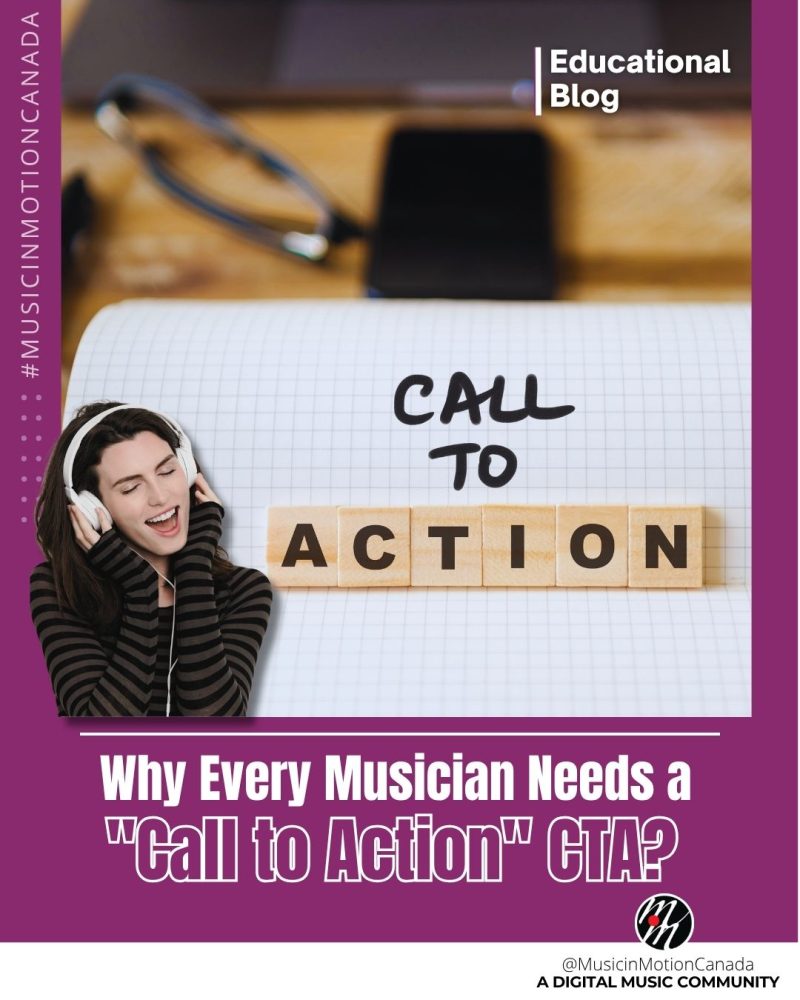
Let’s break down how to master the CTA without losing your soul.
What Exactly is a CTA?

Put simply, a Call to Action is an instruction to your audience that provokes an immediate response. It’s the bridge between someone liking your music and someone supporting your music.
Think of it as the “Canadian Handshake” of digital marketing: it’s polite, it’s clear, and it sets the tone for the relationship.
Why Is It Important for Indie Artists?
In 2026, the average listener is bombarded with content. Even if they love your sound, they will forget you in 30 seconds if you don’t give them a way to stay connected.
A well-placed CTA:
Boosts your Algorithm: More saves/shares on Spotify tell the platform to “push” your song.
Builds Ownership: Social media followers are “rented,” but email subscribers are “owned.”
Drives Revenue: You can’t sell merch if nobody knows where the shop is.
Where Should You Include Your CTA?

1. On Stage (The “Live” CTA)
Don’t just tell them your name. Tell them to take out their phones.
“We’re about to play a new song. If you like it, scan the QR code on my kick drum to get the demo for free.”

2. Social Media (The “Digital” CTA)
Stop posting “New song out now” with no direction.
Instagram/TikTok: “Save this audio for your next road trip.”
YouTube: “Comment below with your favorite lyric.”

3. Your Website & EPK
If a booker lands on your site, the first thing they should see is a big button that says “Book Now” or “Download Press Kit.”
Don’t make them hunt for it.
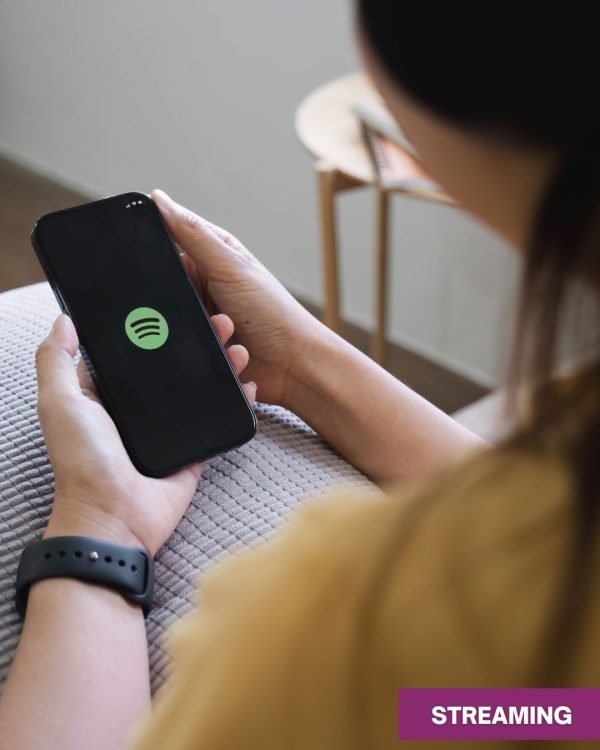
4. Streaming Platforms
Use your “Artist Pick” on Spotify to drive people to your tour dates or your latest merch drop.
How to Write a CTA That Doesn’t Feel “Salesy”
The secret to a great CTA is Value Exchange. Give them a reason to click.
| The “Weak” CTA | The “Pro” CTA |
|---|---|
| “Listen to my song.” | “Add this to your ‘Late Night Drive’ playlist.” |
| “Join my mailing list.” | “Get exclusive behind-the-scenes studio footage.” |
| “Follow me.” | “Be the first to know when we hit your city.” |
The “Three-Click” Rule
In Canada, we value efficiency. If it takes more than three clicks for a fan to do what you asked, they will quit.
One Link to Rule Them All: Use a link-in-bio tool (like Linktree or similar) that keeps your Spotify, Merch, and Tickets in one place.
Need Help With Your Strategy?
At Music in Motion Canada, we specialize in taking the guesswork out of your career.

Author: Andrea Marin
Andrea Marin is a social media marketing specialist for Music in Motion Canada.